digital marketing
Understanding Digital Marketing
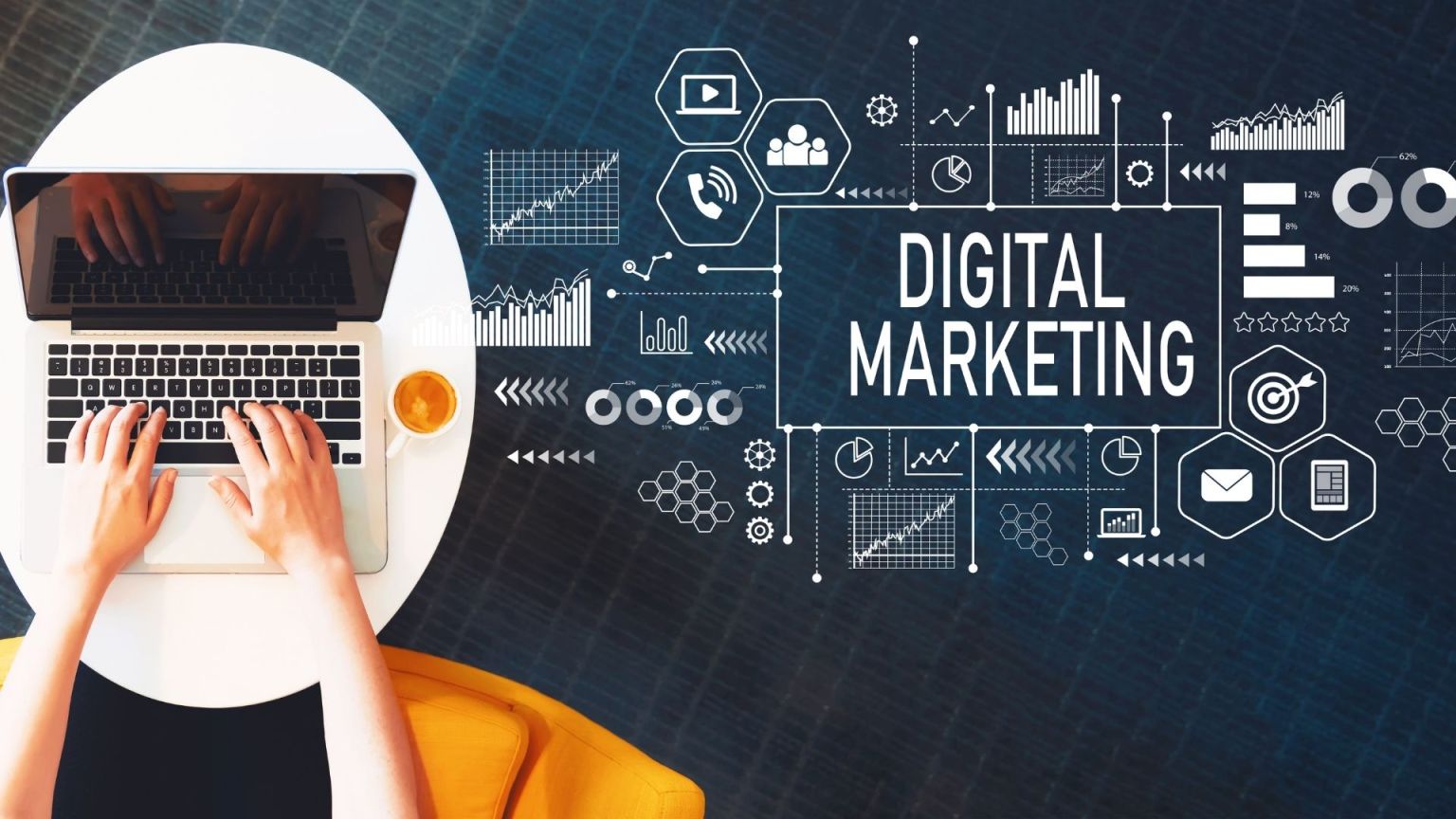
Digital marketing refers to the strategic use of online platforms, mobile applications, social media, search engines, and other digital tools to promote and sell products or services.
While it shares core principles with traditional marketing, digital marketing provides businesses with new ways to connect with consumers and analyze their behaviors. Many companies integrate both traditional and digital strategies to maximize their reach. However, digital marketing comes with unique challenges, including the need to stand out in an increasingly crowded online space. Its rise began in the 1990s with the growing accessibility of the internet.
Key Insights
Digital marketing leverages various online channels, including websites, mobile devices, and social media, to engage audiences.
Marketers have access to advanced tools to track and evaluate campaign performance.
One of the biggest hurdles in digital marketing is cutting through the noise of excessive online advertisements and distractions.
How Digital Marketing Works
Marketing, at its core, involves promoting products or services to potential customers with the aim of increasing market share. Effective marketing requires a blend of advertising expertise and sales strategies. Businesses either manage these efforts internally or work with specialized marketing agencies.
Previously, companies relied on print, television, and radio for advertising. While these channels still exist, the internet revolutionized the way businesses connect with consumers, giving birth to digital marketing.
The evolution of technology pushed companies to rethink their marketing approaches and budget allocations. Early digital marketing efforts centered around email campaigns. Later, search engines like Netscape allowed businesses to use keywords and tags to increase visibility. With the emergence of social media platforms such as Facebook, marketers gained the ability to analyze user data and deliver highly targeted campaigns.
The rise of smartphones and mobile technology has further transformed marketing, enabling businesses to reach potential customers anytime and anywhere. According to a 2022 study by the Pew Research Center, 76% of American adults have made purchases online using their mobile devices.
Why Digital Marketing Stands Out
Unlike traditional media such as print or television, digital marketing offers an interactive and dynamic experience, allowing businesses to engage with their audiences in real time.
Common Digital Marketing Channels
Since its inception, digital marketing has evolved significantly. Here are eight of the most widely used channels today:
1. Website Marketing
A company’s website is often the foundation of its digital marketing efforts. An effective website should clearly represent the brand, showcase its products or services, and provide a seamless user experience. It must be optimized for speed, mobile accessibility, and easy navigation.
2. Pay-Per-Click (PPC) Advertising
PPC advertising allows businesses to place paid ads on various online platforms, such as search engines and social media. Companies can run campaigns on Google, Bing, LinkedIn, Facebook, and other sites to reach potential customers actively searching for related products or services. These ads can be tailored based on user demographics, interests, or geographic location. The most popular PPC platforms include Google Ads and Facebook Ads.
3. Content Marketing
Content marketing focuses on attracting and engaging potential customers by offering valuable written, visual, or video content. This content is typically shared on websites, social media, and email campaigns or optimized for search engines. Unlike direct advertising, content marketing aims to educate or entertain audiences while subtly promoting a brand’s offerings.
4. Email Marketing
Despite being one of the oldest digital marketing methods, email marketing remains highly effective. Businesses use it to nurture leads and convert prospects into customers. Marketers often collect email addresses through various digital campaigns and then use personalized messages to engage with their audience. However, avoiding spam-like content is crucial to maintaining trust and engagement.
By utilizing these channels effectively, businesses can enhance their digital presence and connect with their target audience in meaningful ways.
Conclusion about digital marketing:
Digital marketing is important.
Commentaires
Enregistrer un commentaire